Five Onboarding Mistakes That Cost You New Users
 +20 XP
Case study
Five Onboarding Mistakes That Cost You New Users
A new user downloads Sleepzy, a smart alarm clock app, hoping to wake up refreshed, and deletes it within minutes. Follow their first session step by step and learn the five onboarding mistakes that turned high motivation into an uninstall.
+20 XP when you reach the endWhat you will learn
- Time permission requests after the first moment of value
- Remind people of the benefit they came for
- Avoid fake urgency and pushy upsells in the first session
Scroll to follow the story. The screen changes with you.
Based on the learnings from Growth.Design: 5 Deadly Onboarding Mistakes You Should Avoid, presented in our own format.
Step 1 of 9
- The promise
01
The setup
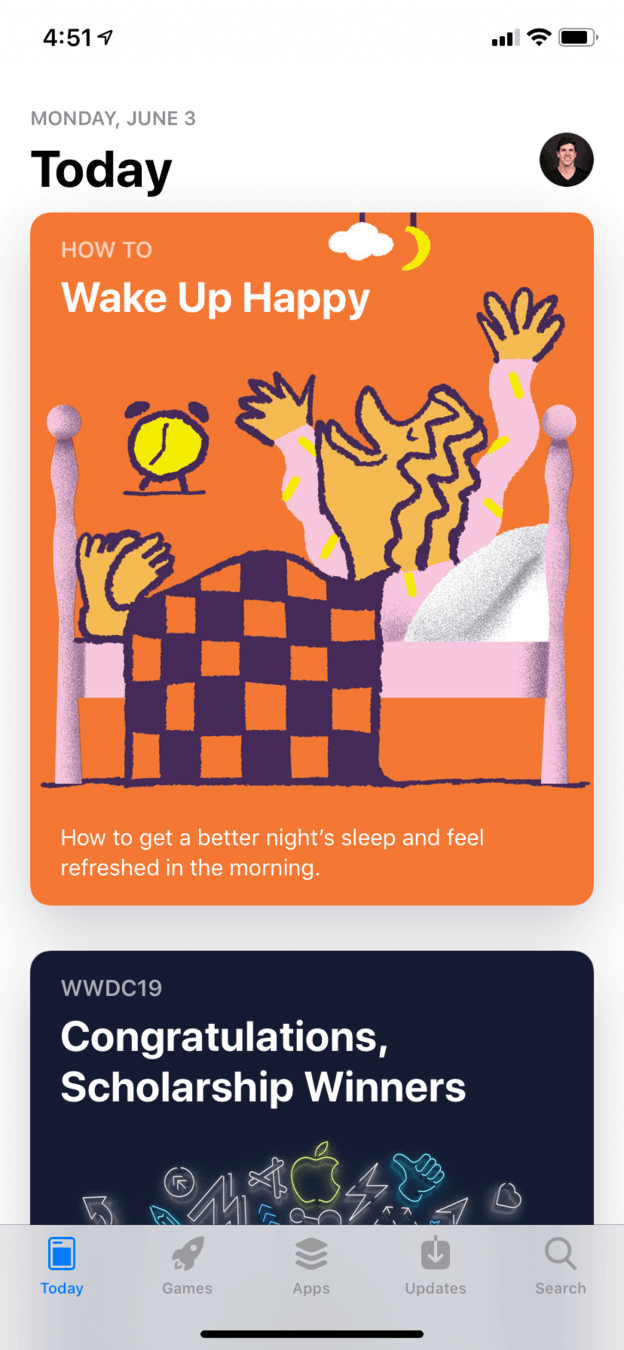
An App Store feature promises a better way to wake up.
Late one evening, a user finds a 'Wake Up Happy' story on the App Store. It presents an alarm clock that wakes you at the best point in your sleep cycle. The promise is specific and appealing, so they download it.
TakeawayPeople install an app with one clear outcome in mind, and onboarding should protect it.
 Motivation peaks
02
First launch
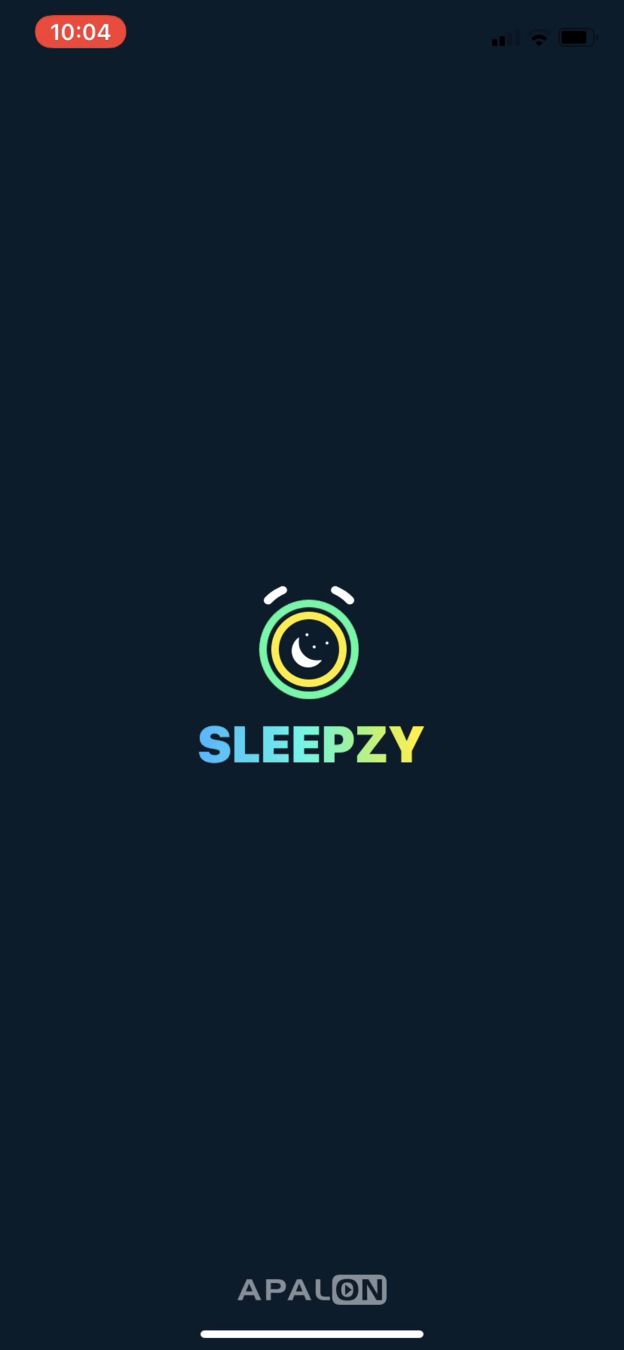
The user opens Sleepzy with motivation at its peak.
The splash screen loads while the user imagines waking up refreshed every morning. This is the most goodwill the app will ever have. Every step that follows either spends it or adds to it.
TakeawayTreat a new user's motivation as a budget that each onboarding step draws from.
 Asked too soon
03
Mistake 1
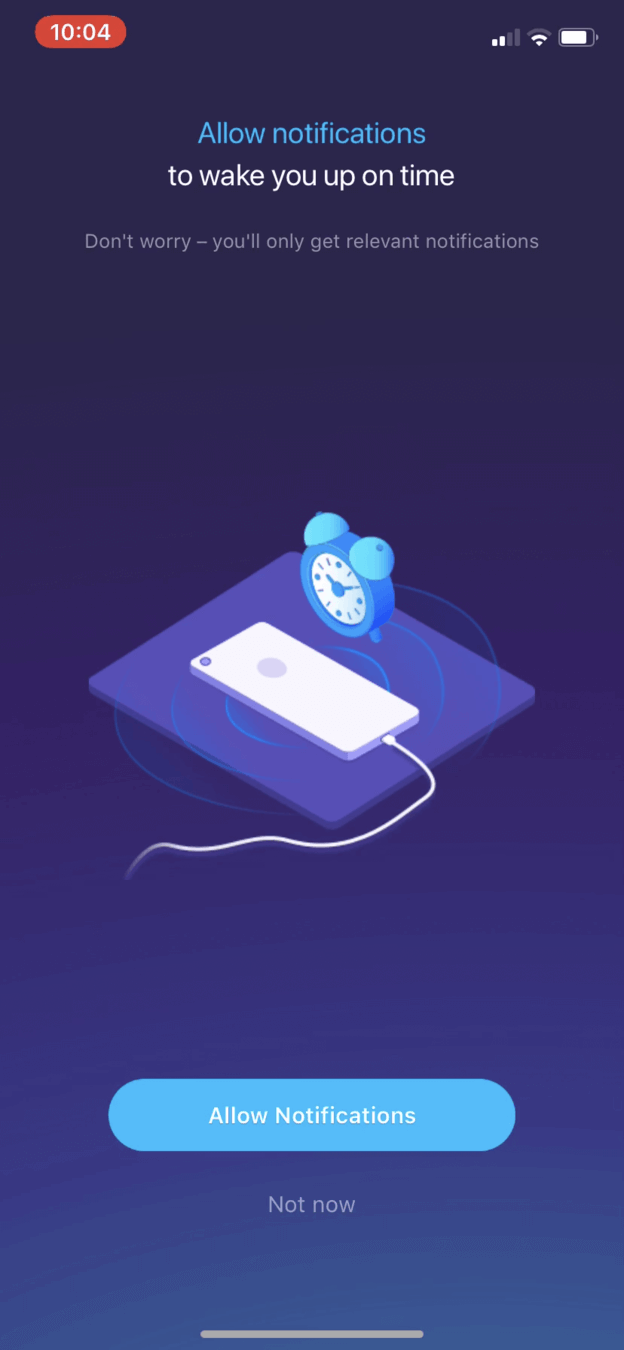
The very first screen asks for notification access.
Before showing a single feature, Sleepzy asks the user to allow notifications. The screen does explain why, to wake you on time, but the request lands before the app has given anything back.
TakeawayAsk for access after people have felt the product work, not before.
Earn trust firstAsking for something before giving anything goes against reciprocity. Request notifications after the first moment of value, when people trust the product enough to hand over their attention.
- Which ones?
04
Mistake 2
'Relevant notifications' leaves the user guessing.
The small line under the headline promises only 'relevant notifications'. The user cannot tell what they will receive, so the reassurance makes them more suspicious. They accept anyway, but with less trust than before.
TakeawaySpecific words build trust. Vague reassurance raises doubt.
Be specific in your copyList the exact notifications the app will send, such as the alarm itself and a bedtime reminder, instead of asking people to guess.
 Where is the benefit?
05
Mistake 3
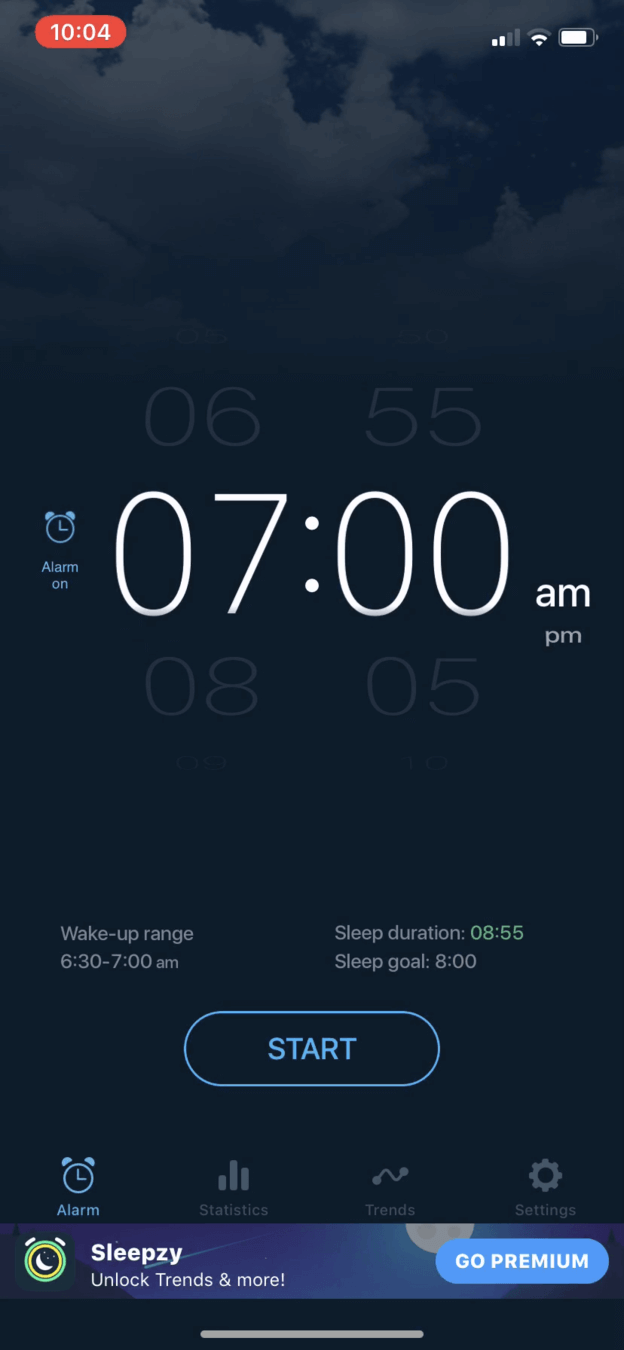
The main screen shows a clock, with no word about sleep cycles.
After the permission step, the user lands on a large 07:00 and a Start button. Nothing explains how Sleepzy picks the best moment to wake them, which was the whole reason they came. A 'Go Premium' bar already sits at the bottom.
TakeawayRemind people how the product delivers the benefit they came for during the first use.
Show the promised landUsers arrive with a specific intent. The first experience should connect what they see on screen to the outcome they want, here waking up refreshed.
 Invented deadline
06
Mistake 4
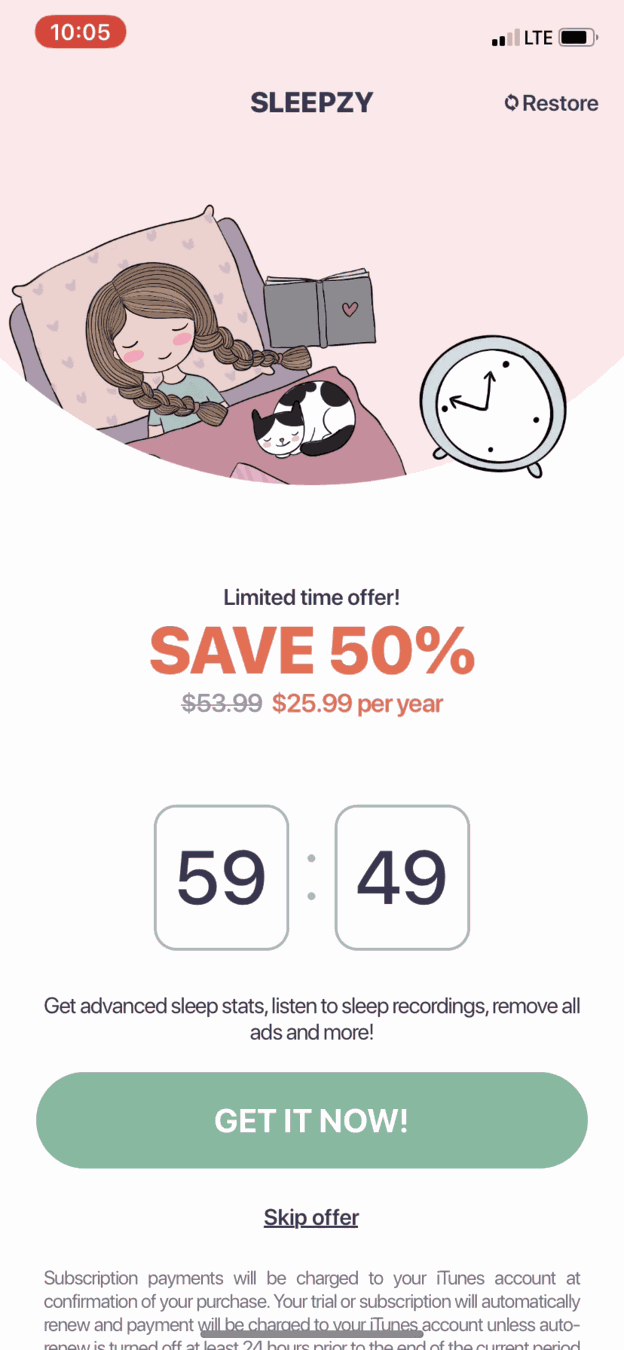
A full screen upsell with a countdown appears within seconds.
Without being asked, the user sees 'Save 50%' on the yearly plan and a timer ticking down from 59 minutes. The soft illustration of a sleeping child and a cat makes the pressure feel gentle. The way out is a small 'Skip offer' link under the big green button.
TakeawayUrgency that is not real is a dark pattern, and new users can tell.
Scarcity as a dark patternPeople value what seems limited, in time, quantity or access, which is why scarcity drives purchases. Growth.Design cites Nielsen Norman Group on the principle and warns never to fake it. Nothing in this first session justifies a deadline.
 Same offer again
07
Mistake 5
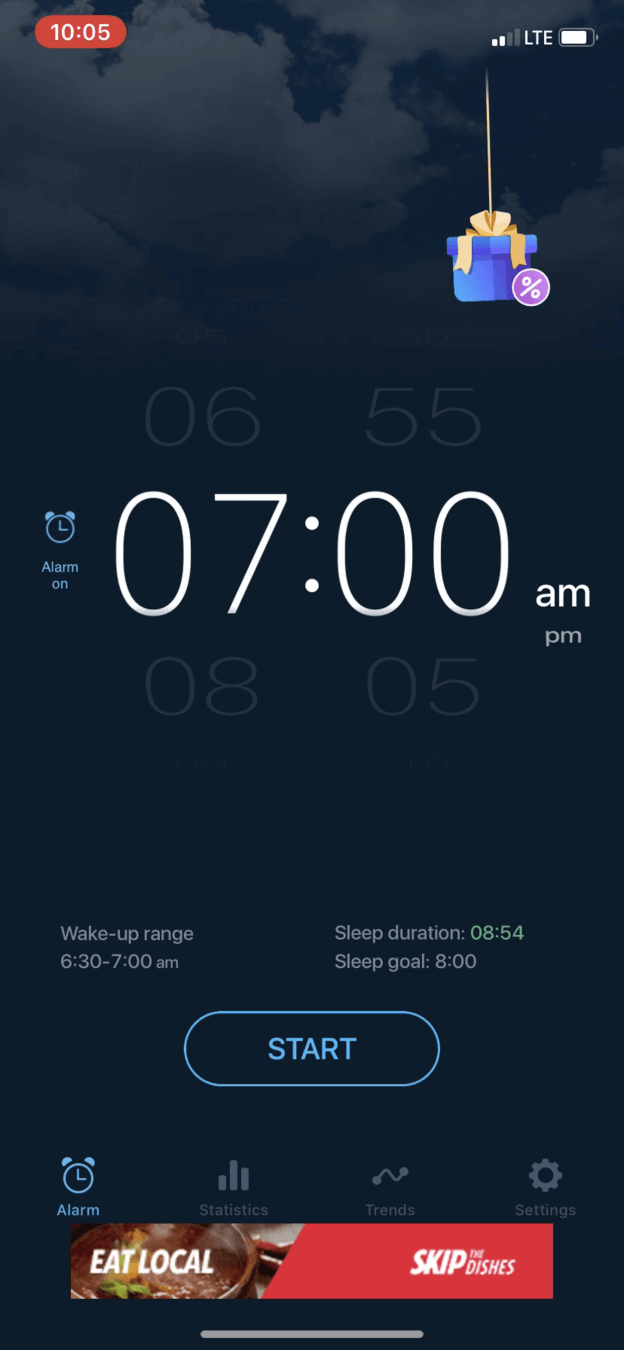
After skipping the offer, the user meets a 'gift' and a banner ad.
Back on the alarm screen, a gift box now dangles at the top, clearly the same discount again. A food delivery ad fills the bottom of the screen. It feels like a penalty for saying no to the upsell.
TakeawayOnce someone declines, respect the answer instead of asking again in disguise.
ReactanceNudges can change behavior, but when people feel their freedom is being taken away they push back hard to regain it. Pressure after a clear no often ends the relationship.
 Deleted
08
The result
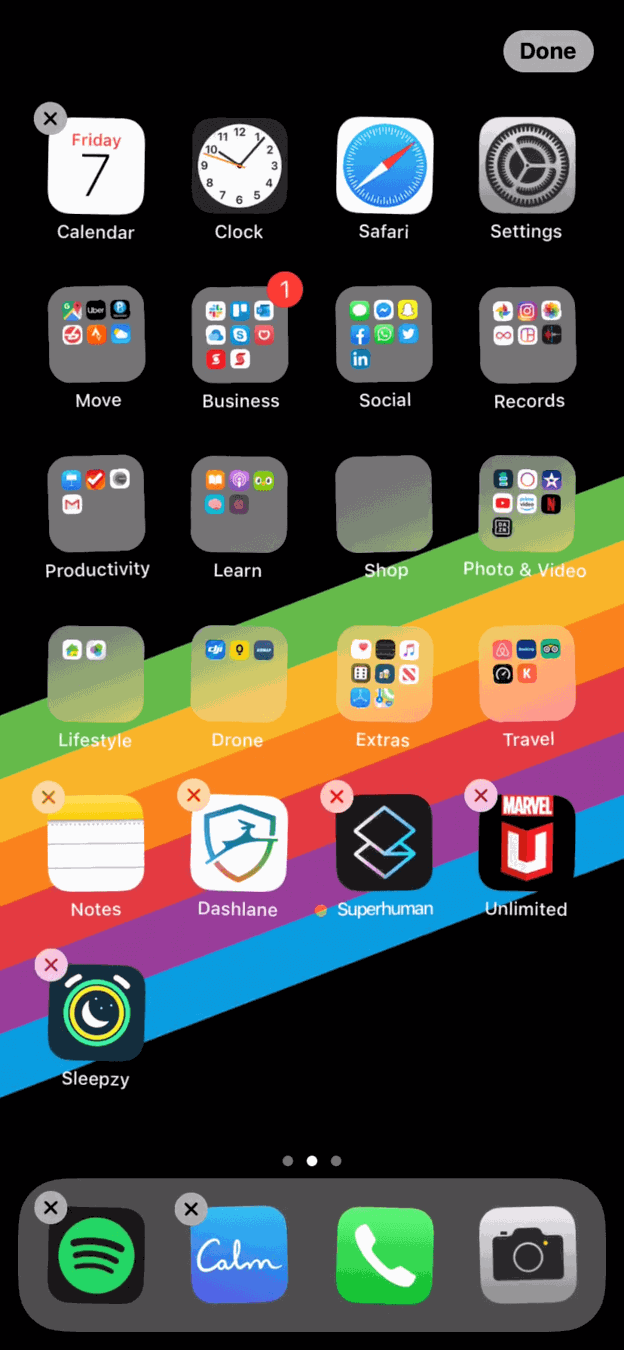
Minutes after installing it, the user deletes Sleepzy.
A long press on the home screen, a tap on the delete badge, and the app is gone. The user never set a single alarm, so the smart wake-up feature was never tried at all.
TakeawayMost first session churn happens before the product has had a chance to prove itself.
Churn on first useGrowth.Design cites Localytics (2018): about 21 percent of people abandon an app after using it once. Deliver value first and do not force people into things they did not ask for.
Asks first Move this laterValue first Start here09
What to do instead
Reorder the first session so value comes before every ask.
Each mistake drew down the user's motivation until nothing was left. The fix is mostly about order: let people set their first smart alarm, show them how it works, and only then ask for access or offer premium.
What changed
- Ask for notifications after the first alarm is set
- Name each notification type in plain words
- Explain the sleep cycle wake-up on the first screen
- Offer premium later, with no fake countdown or ads as a penalty
TakeawayOnboarding succeeds when every ask comes after something the user has already received.
Every takeaway, in one place
- The setupPeople install an app with one clear outcome in mind, and onboarding should protect it.
- First launchTreat a new user's motivation as a budget that each onboarding step draws from.
- Mistake 1Ask for access after people have felt the product work, not before.
- Mistake 2Specific words build trust. Vague reassurance raises doubt.
- Mistake 3Remind people how the product delivers the benefit they came for during the first use.
- Mistake 4Urgency that is not real is a dark pattern, and new users can tell.
- Mistake 5Once someone declines, respect the answer instead of asking again in disguise.
- The resultMost first session churn happens before the product has had a chance to prove itself.
- What to do insteadOnboarding succeeds when every ask comes after something the user has already received.
Source: Growth.Design: 5 Deadly Onboarding Mistakes You Should Avoid
Make the first session earn the second one.
New users arrive motivated and leave quietly when onboarding asks for too much too soon. Zyxware can map your first run experience step by step, find where motivation drops, and redesign the order of asks so value comes first.